
PCB Assembly
Despite the dominance of SMT technology, THT through-hole assembly remains a crucial structural element in many demanding industrial applications.
It is irreplaceable wherever components are exposed to high mechanical or current loads, as is the case in power supplies or industrial controllers. We perform every PCB assembly using through-hole components with the utmost care, utilizing manual finish soldering. This allows us to achieve highly durable connections that are resistant to vibrations and temperature changes.
Offer
- THT through-hole assembly
- manual soldering
- wave soldering
- AOI testing
- component sourcing
- final device assembly (mechanical)
- electrical testing
- functional testing
- IC programming
- mechanical assembly
Technological capabilities
- continuous soldering temperature control on microprocessor soldering stations
- flexibility for both large and small batches
- attractive lead times
- final device assembly including packaging
Manual THT finish assembly
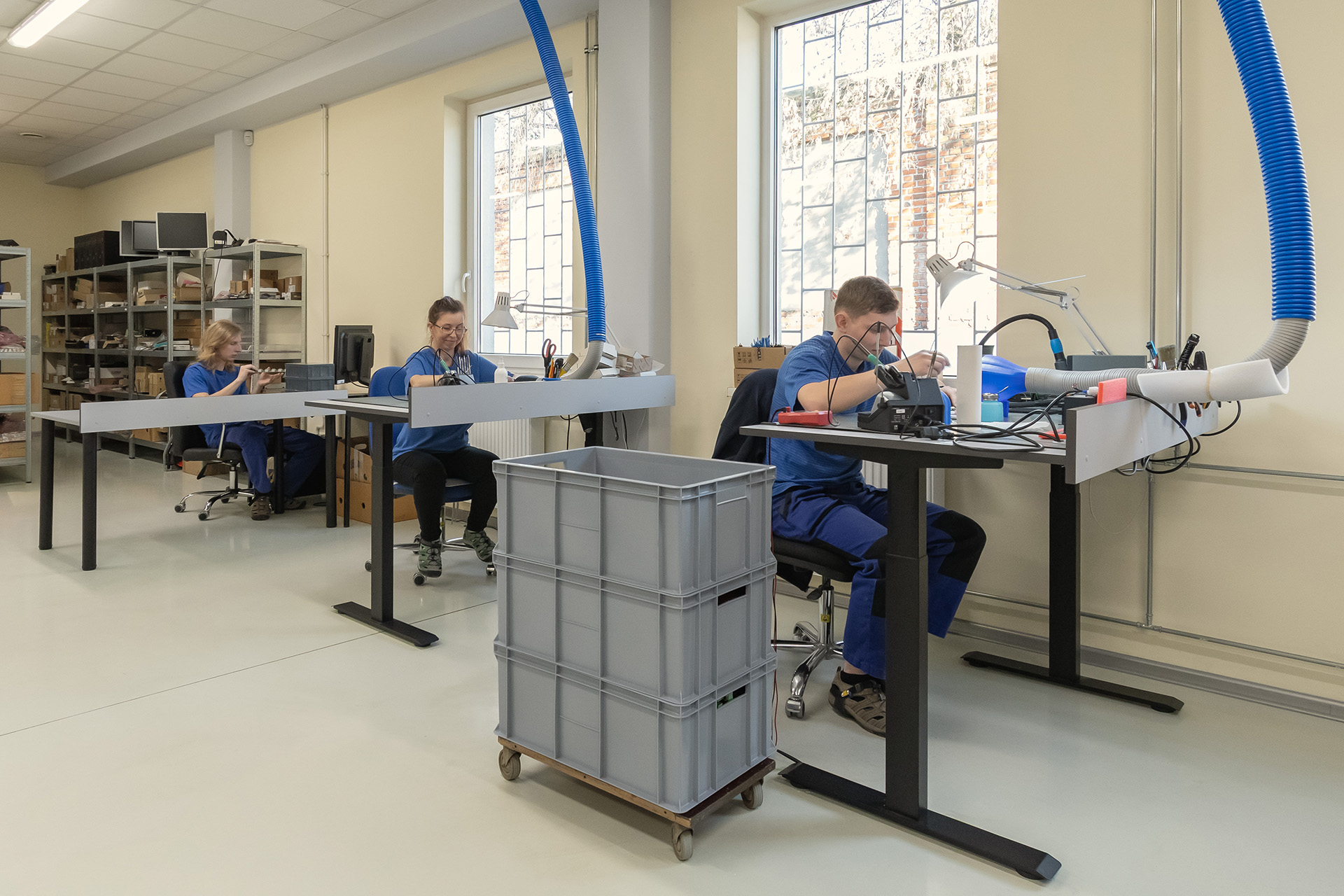
THT through-hole assembly guarantees optimal solder flow through metallized holes, which is the foundation of the module’s electrical durability. As a Polish company offering contract electronics manufacturing services, we have a team of experienced assemblers who precisely form component leads before placement. Every PCB assembly in THT technology undergoes rigorous AOI inspection and thorough visual control.
We offer our clients assistance in device design to optimize THT assembly in advance. This way, we can significantly shorten the device assembly time and reduce labor costs. Consequently, even before starting production, we can verify the design for errors and THT assembly feasibility.
What distinguishes our through-hole assembly?
Electronics manufacturing at BaZeKo:
we have a team of experienced assemblers who undergo regular training. Our workstations are equipped with microprocessor temperature-controlled soldering stations.
Component forming and preparation:
We have standard and proprietary tooling for forming component leads, which speeds up the process and improves the aesthetics of the execution.
Quality control:
Thorough first article inspection before launching the entire series, meticulous AOI inspection of every board after assembly based on IPC-A-610 (Acceptability of Electronic Assemblies).
Comprehensive service:
the THT assembly process is fully integrated with other processes taking place at BaZeKo (SMT assembly, component sourcing, PCB manufacturing). All these processes together form a technologically coherent whole, which is supervised by a dedicated ERP system.
THT assembly at BaZeKo
By choosing to work with us, you rely on dependability backed by decades of experience. We perform THT through-hole assembly in accordance with Class 2 of the IPC-A-610 standard (Acceptability of Electronic Assemblies). Professional PCB assembly is not just a service; it is, above all, attention to detail, such as the proper protection of thermally sensitive components during the soldering process.
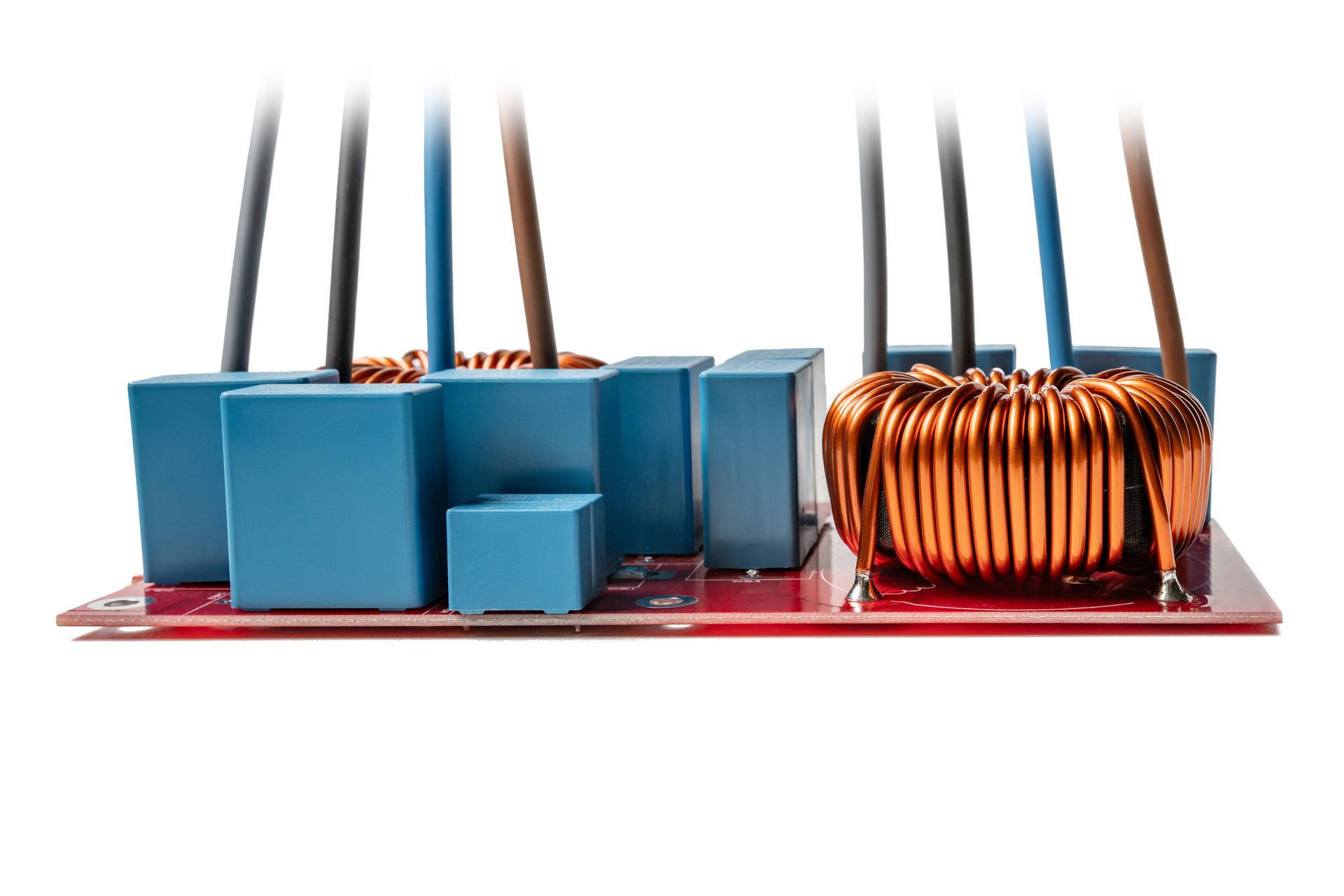
If your company is looking for a partner for whom contract electronics manufacturing in THT technology holds no secrets, we invite you to send a request for quotation. We guarantee quick feedback and full technical support at every stage of implementation.
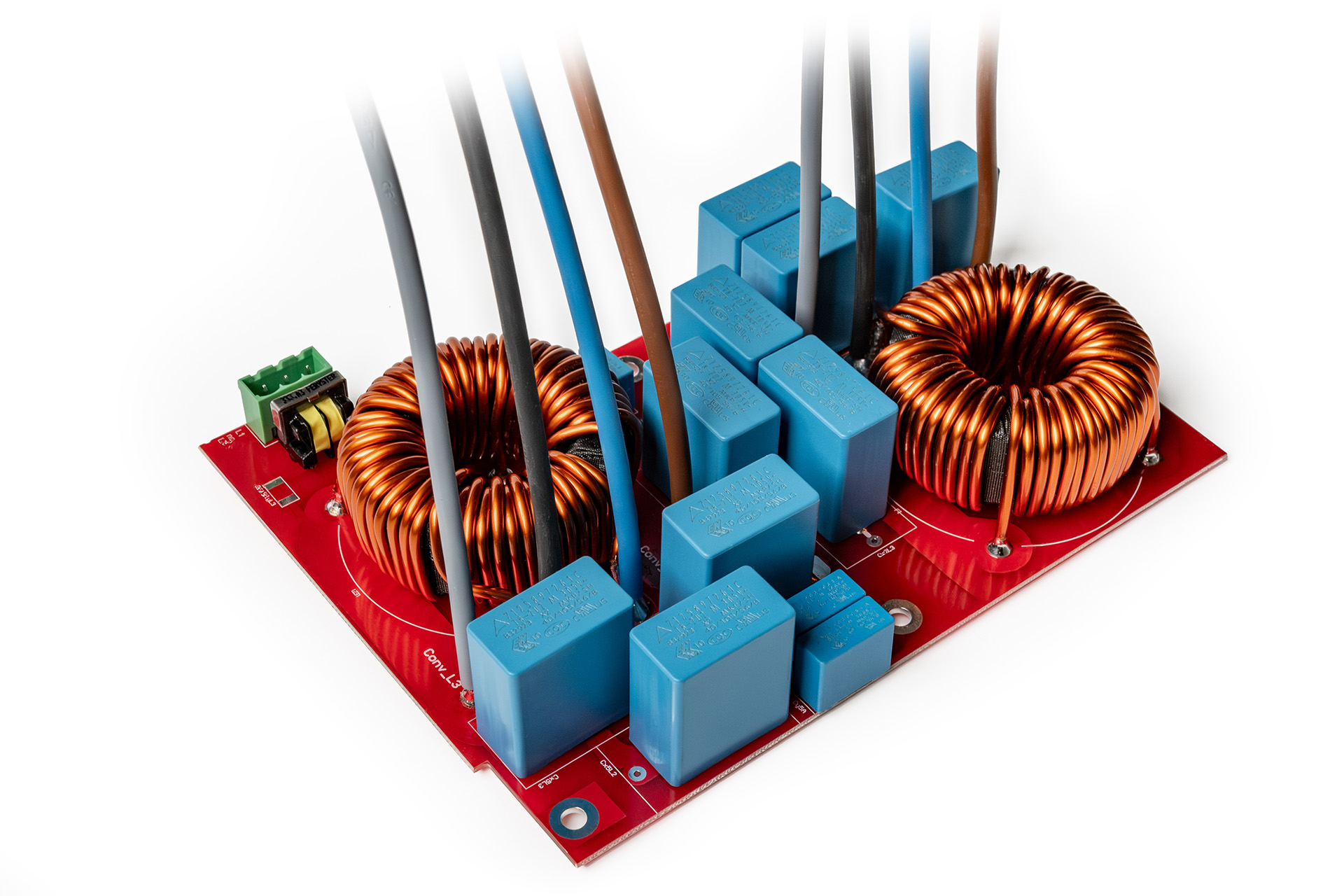
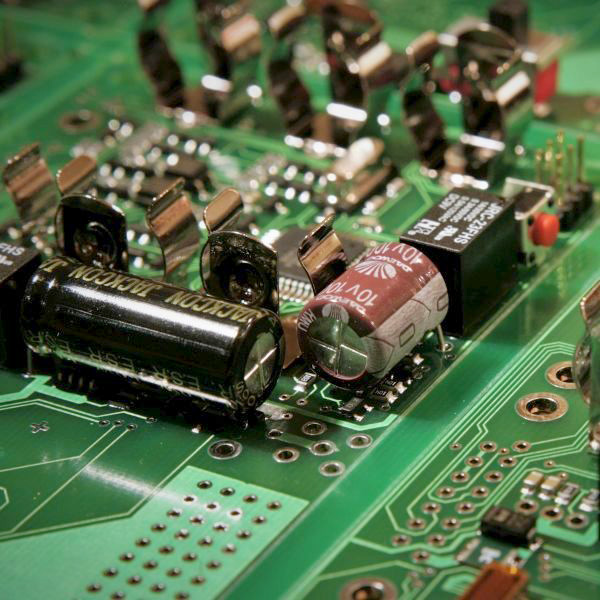
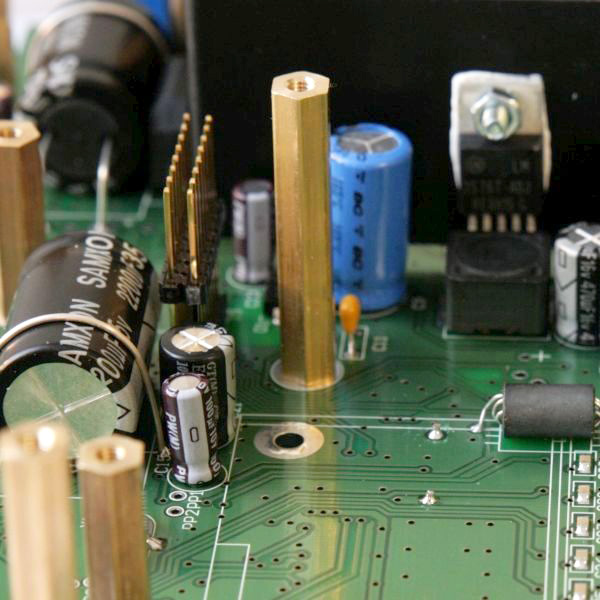
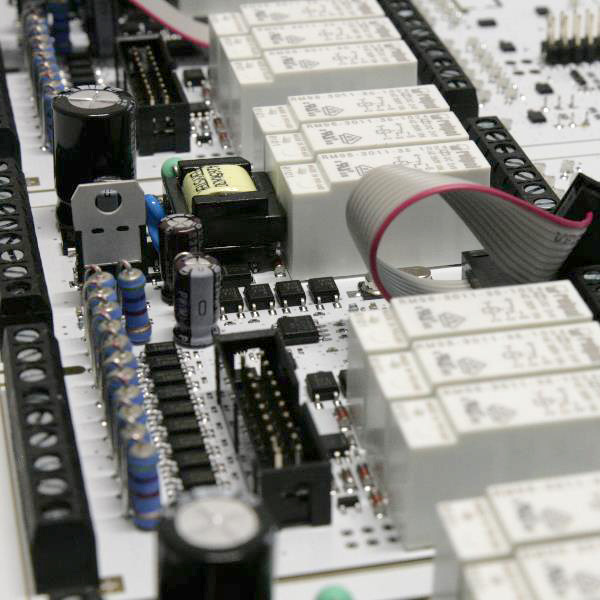
PCBs assembled at BaZeKo
FAQ
Frequently Asked Questions
When should you choose through-hole assembly (THT) over surface mount (SMT)?
THT technology is recommended for components exposed to high mechanical loads (e.g., connectors) and thermal loads (e.g., power components, transformers). Through-hole assembly ensures a physically stronger connection with the laminate.
What is manual THT finish assembly at BaZeKo?
It is a process of manual assembly of components that cannot be mounted automatically. Our qualified assemblers manually form, place, and solder components, which ensures precise control over the shape of the solder joint and hole filling, in accordance with the requirements of Class 2 of the IPC-A-610 standard.
Do you offer component forming services before assembly?
Yes, we have our own facilities and tooling for preparing and forming the leads of through-hole components. This allows us to maintain assembly repeatability and the aesthetics of the finished device, and it also speeds up the soldering process itself.

